Assess the scene before you act
Water damage events in Rhode Island can vary from a slow leak to a sudden flood. Start with safety. If there is standing water near electrical outlets or fixtures, leave the area and call for professional help. A restoration specialist will handle the assess and the containment with the right gear so you stay safe.
For minor, non-structural concerns like a damp patch on drywall after a rainstorm, some basic steps can help you protect belongings. But quick DIY steps should not replace a professional evaluation. Our team explains what you can do safely and what you should leave to restoration specialists.
What you can do yourself now
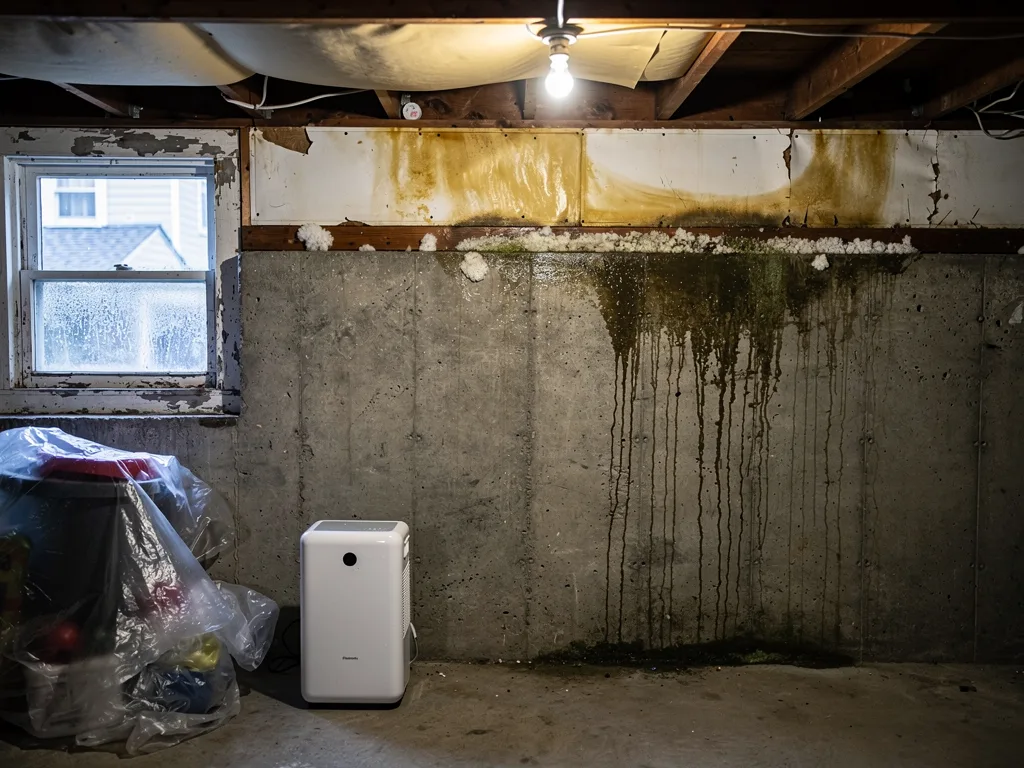
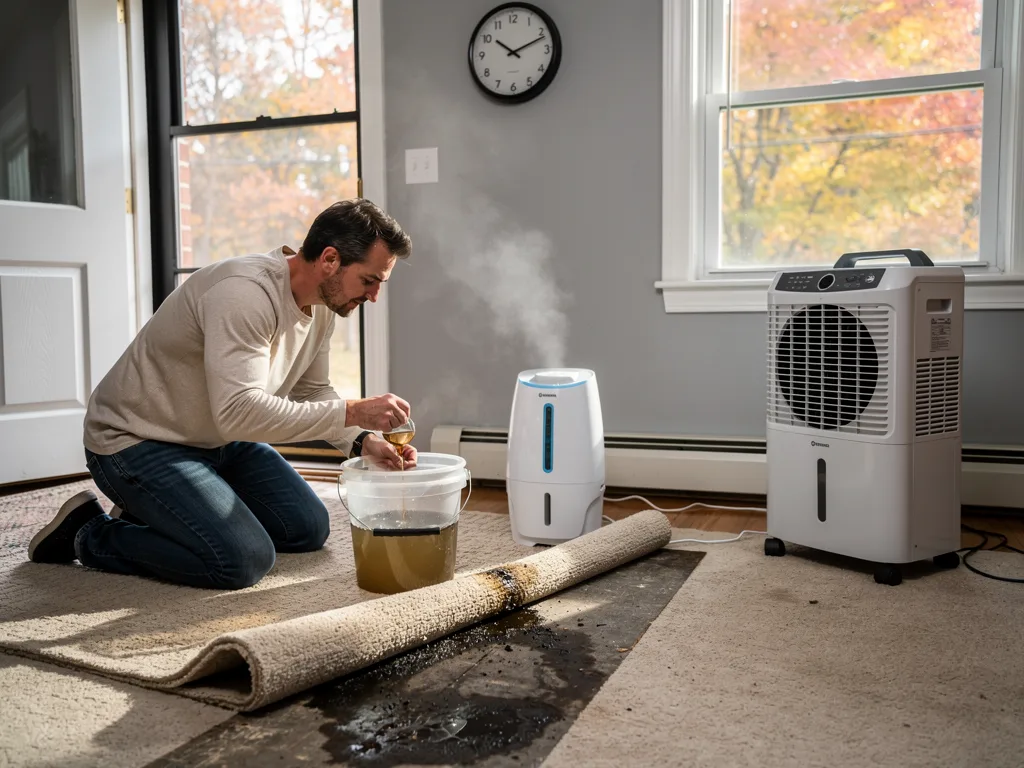
First, remove any soaked items from the affected area to prevent further damage. If you have a dehumidifier, run it in the room to reduce humidity. Use fans to improve air circulation but avoid directing air at wet surfaces for long periods, which can spread moisture into untouched areas.
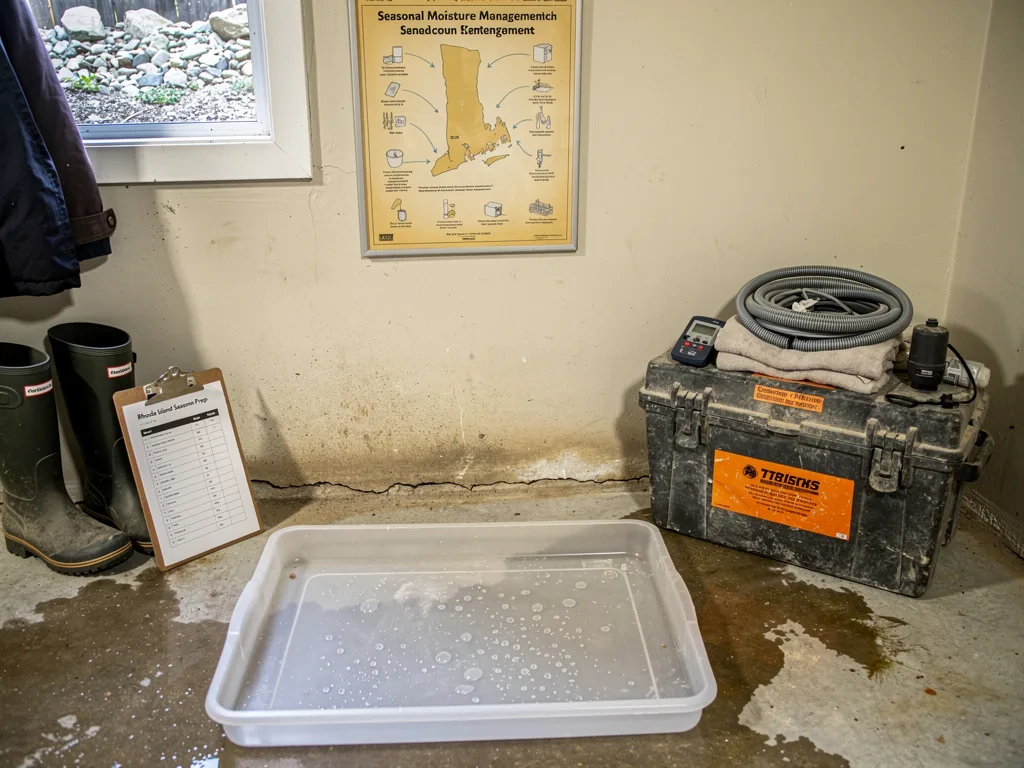
Document what happened and keep receipts for any immediate cleanup supplies. This information helps a restoration specialist tailor a plan that matches the room, the building, and Rhode Island climate realities.
When to call a restoration specialist
If signs persist after you have removed standing water and dried the area, or if you notice swelling, soft spots, or moldy odors, it’s time to contact Rhode Island Water Damage Specialists. A restoration specialist will perform a professional assessment, identify hidden moisture, and outline a remediation plan that protects your home and family.
In Rhode Island, weather changes quickly, and moisture can migrate through walls and floors. A professional evaluation is the fastest, safest way to confirm the extent of the damage and start restoring your home in a way that lasts.